

August 27, 2024
Cedar Siding Installation Best Practices
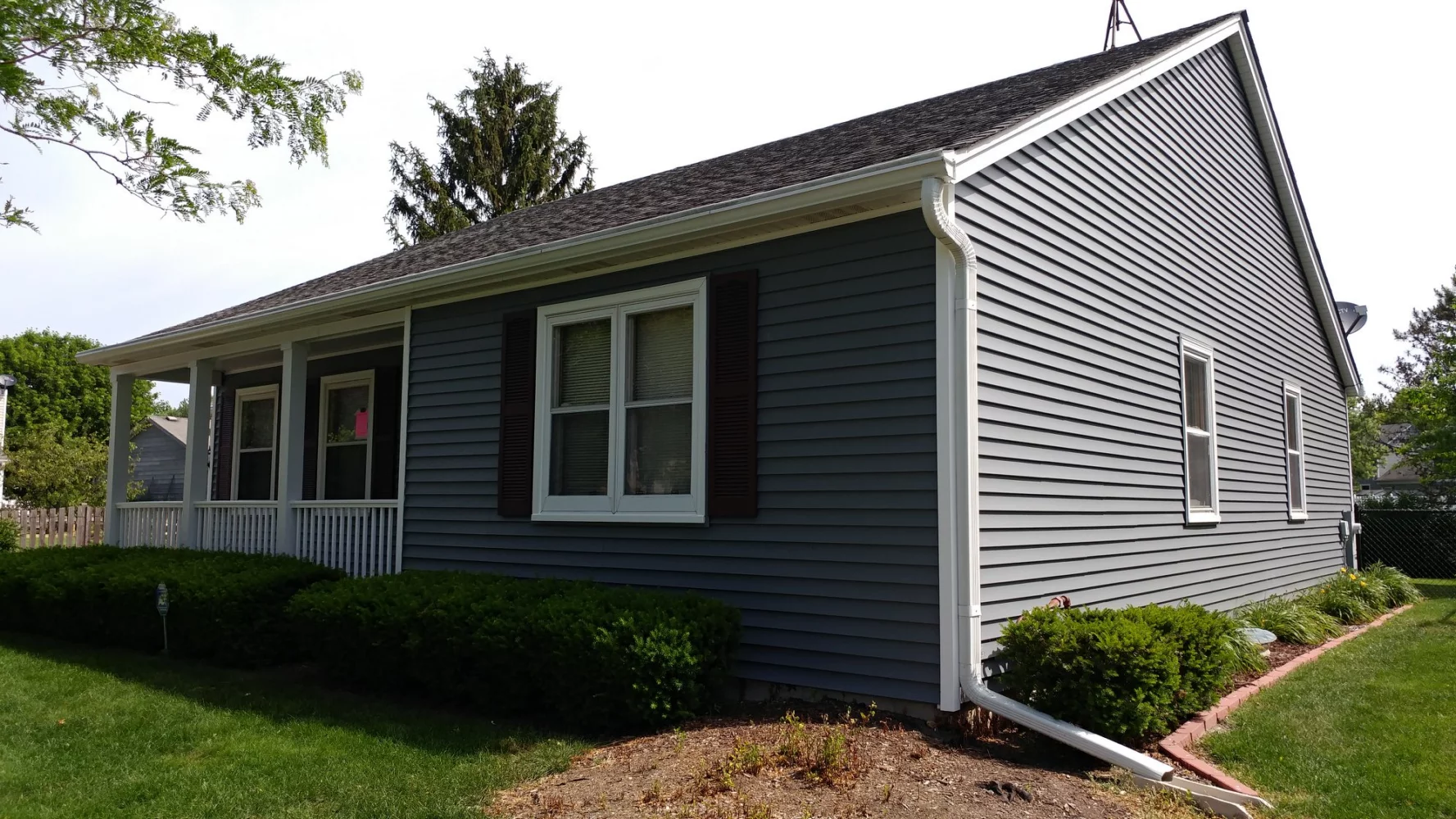
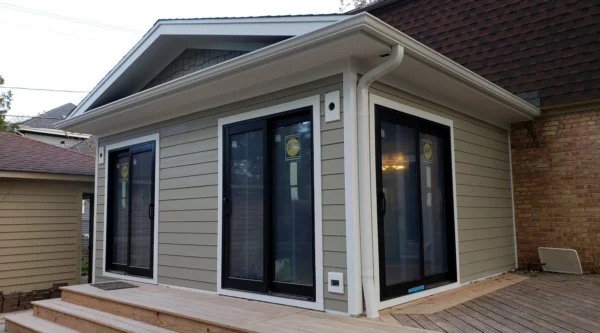
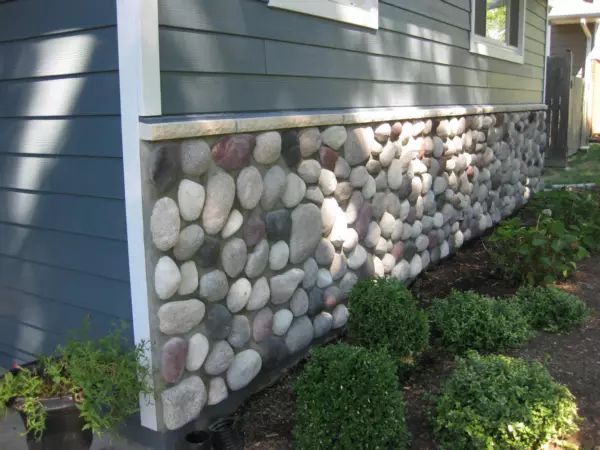
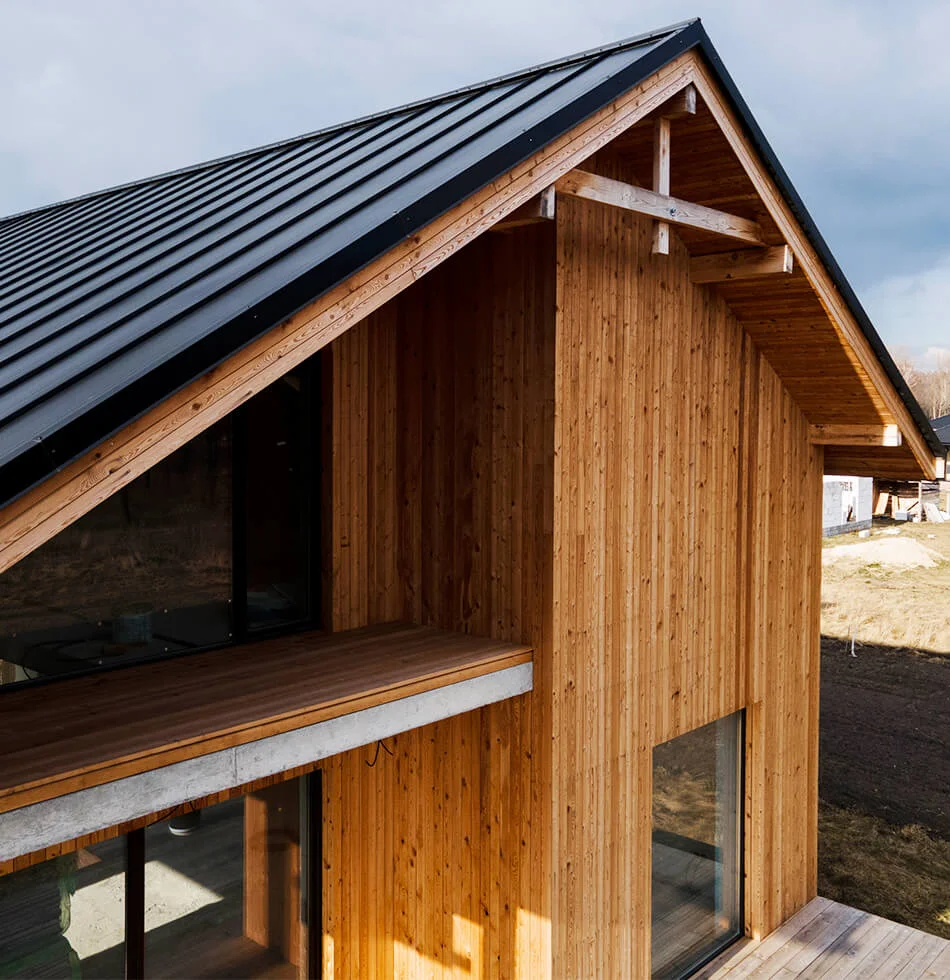
There is growing popularity among homeowners for cedar siding. In this blog post, we will present the necessary steps and cedar siding installation best practices to bring out the best outcome possible while installing cedar siding.
Preparing the Workspace & Materials
Proper preparation is very crucial. You will need a hammer, saw, level, tape measure, utility knife, and caulking gun among other tools.
Sheathing & Weather-Resistant Barriers
Cedar siding installation best practices begin with wall preparations, using appropriate wall and moisture barriers first a solid sheathing second a weather-resistant barrier. This barrier acts as a cover to the building from water while ensuring the house siding aids a lot out of time.
Starting with a Level Base
To produce a nice cedar siding appearance and firm installation, you should start from underneath going up and apply a level or a chalk line on one row.
Proper Nailing Techniques
Nailing is a very important process of installation of cedar siding. When hammering used only stainless steel or hot-dipped galvanized nails to prevent rusting of woods. In Fig. 5a, only one screw penetrates the lower layer whilst nails should be long enough to penetrate at least 1. Another detail is that the plates and the bricks are installed 5 inches into the studs. Never hit only the sheathing and always hit the next stud for the best hold possible on a wall. Varnishing and brass: It is advisable not to over tighten nails onto the cedar since it has to be capable of expanding and contracting depending on the prevailing temperature.
Overlapping & Sealing
All the pieces of siding should overlap one another by at least one inch. One of the cedar siding installation best practices tips is to seal all the end cuts using the high-quality exterior grade sealant.
Regular Maintenance
Last but not the least, even the finest cedar siding needs to be repainted or refinished over time. Maintenance involves cleaning, staining or painting these areas every now and then and using a sealant to fix the gaps with the help of caulking.
These cedar siding installation best practices will help your siding lasts as long as you want.